skip to main content
Say Goodbye to Swarming Mosquitoes
Slide

MOISTURE REMEDIATION

MOISTURE REMEDIATION

336-948-1734

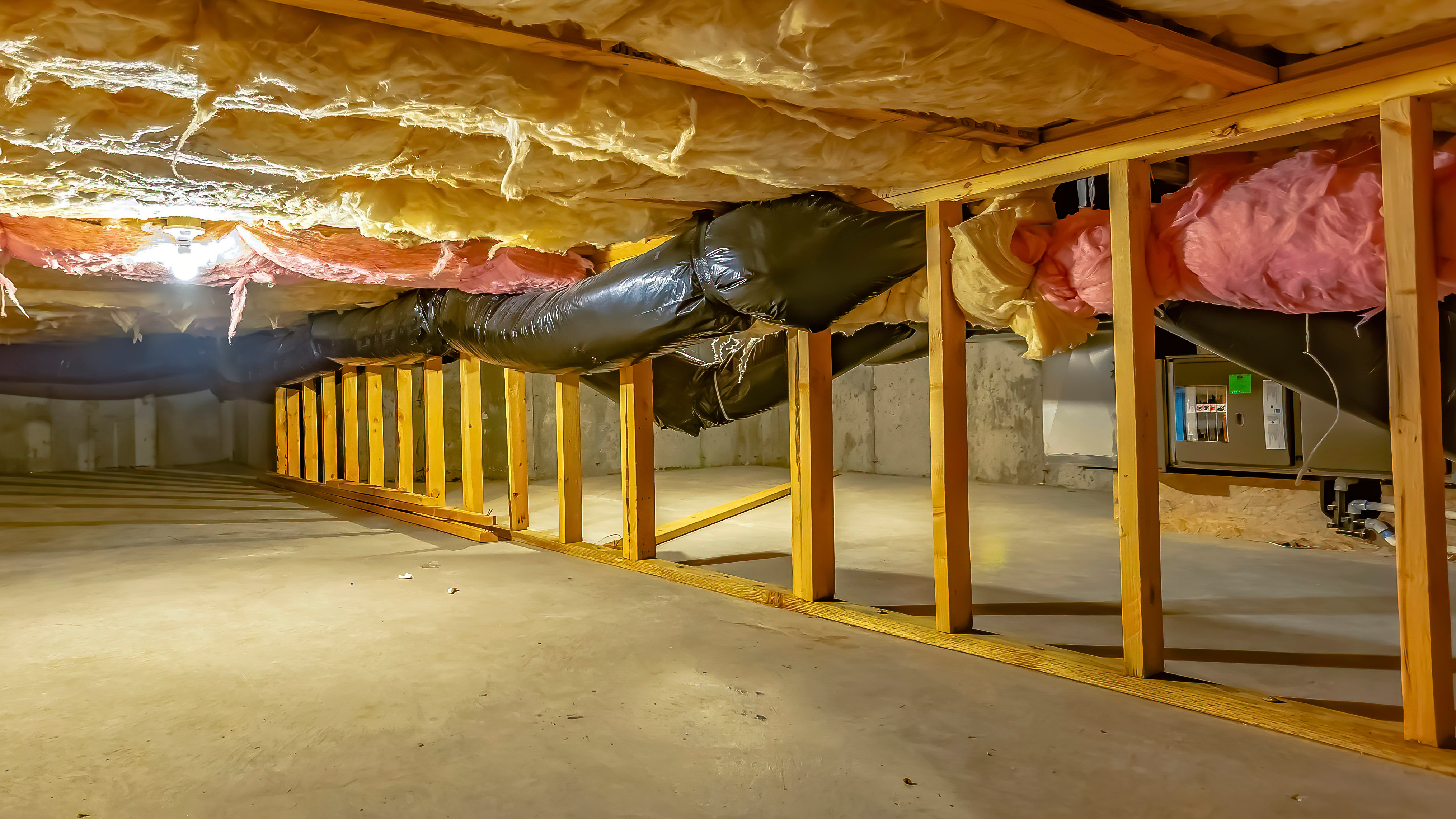
North Carolina's clay-heavy soils, high annual rainfall, and summer humidity make crawl space moisture a persistent problem for homeowners across the Triangle. Water enters through soil, foundation gaps, and condensation. It does damage quietly for months or years before most homeowners notice it inside the home.

Neuse Termite and Pest Control offers the full range of crawl space moisture remediation services. Every recommendation starts with an inspection of your specific space — not a standard package applied to every job.

Contact us to schedule a free crawl space inspection and estimate.

Signs Your Crawl Space Has a Moisture Problem

Crawl space moisture often makes itself known inside the home before anyone looks below. Common warning signs include:

  • Persistent musty smell, particularly in lower-level rooms
  • Floors that feel soft, spongy, or have slight give underfoot
  • Warped or buckling hardwood floors
  • Condensation on windows during warm months
  • Higher-than-normal indoor humidity throughout the home

In the crawl space itself: standing water, visibly wet soil, mold or fungal growth on wood surfaces, and elevated wood moisture content in floor joists or subfloor are all indicators that remediation is needed. The longer these conditions go unaddressed, the more structural damage accumulates.

What Remediation Looks Like

No two crawl spaces are the same, and the right solution depends on what the inspection finds:

  • Musty smell, no standing water often points to elevated wood moisture and beginning fungal growth — typically resolved with fungicide treatment and a dehumidifier.
  • Standing water after rain usually requires a French drain and sump pump to actively move water out, followed by a vapor barrier or encapsulation.
  • Chronic high humidity, no drainage issue is often a soil moisture and air exchange problem — a vapor barrier combined with encapsulation and a dehumidifier addresses both.

We inspect first, identify the specific cause, and recommend only what your situation actually requires. No standard packages. No unnecessary work.
Our Moisture Remediation Services

  • Sump pumps for active water removal and chronic drainage issues
  • French drains to redirect water away from the structure at the foundation level
  • Crawl space dehumidifiers to reduce and maintain safe wood moisture levels
  • Vapor barriers to limit ground moisture rising into the crawl space
  • Crawl space encapsulation to seal the space from outside air and ground moisture
  • Fungicide treatment for existing mold or fungal growth on structural surfaces
  • Benefect disinfectant application to deodorize and sanitize after remediation

For more detail on specific services, visit our crawl space encapsulation page and our crawl space dehumidifier installation page.

Moisture and Termite Risk

A wet crawl space is one of the most reliable indicators of elevated termite risk. Eastern subterranean termites are strongly drawn to moisture-compromised wood, and a persistently damp crawl space creates exactly the conditions they seek. When our technicians inspect your crawl space for moisture, they are also evaluating for signs of termite activity. Addressing both under one roof is something most crawl space-only companies cannot offer.

Frequently Asked Questions

How do I know if my crawl space has a moisture problem?

Look for musty odors inside the home, soft or spongy floors, warped hardwoods, window condensation, and elevated indoor humidity. If you can access your crawl space, check for standing water, wet soil, mold on wood surfaces, or mud tubes. Moisture damage is far easier and less expensive to address early.

What is the difference between a vapor barrier and full encapsulation?

A vapor barrier is polyethylene sheeting installed on the crawl space floor to reduce soil moisture. Full encapsulation extends coverage with insulated foam boards up the walls, creating a more complete seal against both ground moisture and outside air. Which is appropriate depends on your specific conditions. Visit our crawl space encapsulation page for a detailed breakdown.

Do I need a dehumidifier if I get encapsulation?

Yes. When a crawl space is fully encapsulated, the foundation vents to the outside are sealed. Building code requires the space still have circulating air, and a properly installed dehumidifier provides that. It also actively manages ongoing wood moisture levels, which encapsulation alone does not address. Learn more on our dehumidifier installation page.

Can crawl space moisture cause termites?

Yes. Moisture-compromised wood is one of the primary attractants for Eastern subterranean termites. Addressing moisture reduces your home's vulnerability, but it is not a substitute for termite treatment. Neuse handles both.

How long does remediation take?

It depends on the scope of work. A dehumidifier installation is typically a single visit. More comprehensive drainage and encapsulation work may span multiple visits. We provide a clear timeline estimate before any work begins.

What Our Customers Are Saying

Protect your home from the ground up.

Crawl space moisture is entirely solvable with the right combination of drainage, moisture control, and ongoing management.


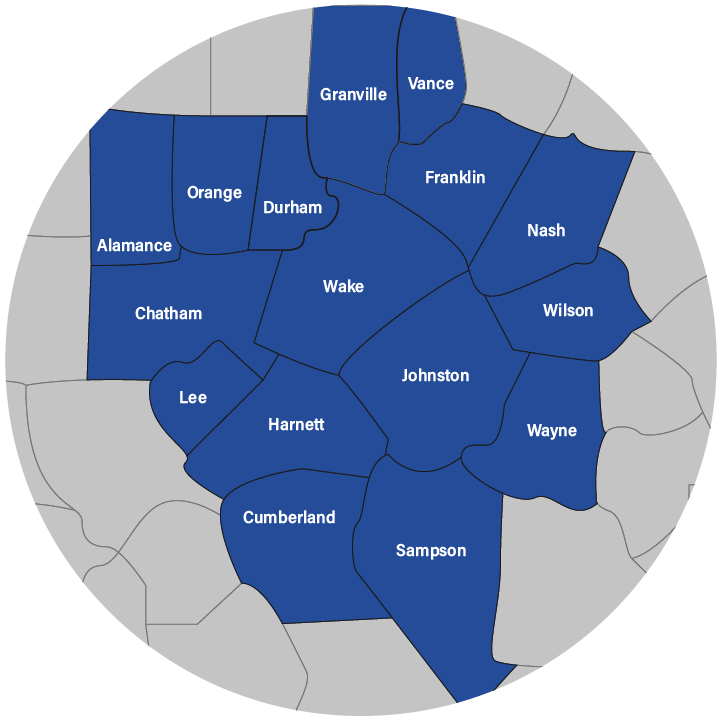
Counties We Serve

We provide residential and commercial pest, termite, and moisture control across the following North Carolina counties. Click a county to learn more about services in your area.


The Neuse Logo
The Neuse Termite and Pest Control, Inc. is a BBB Accredited Pest Control Company in Clayton, NC