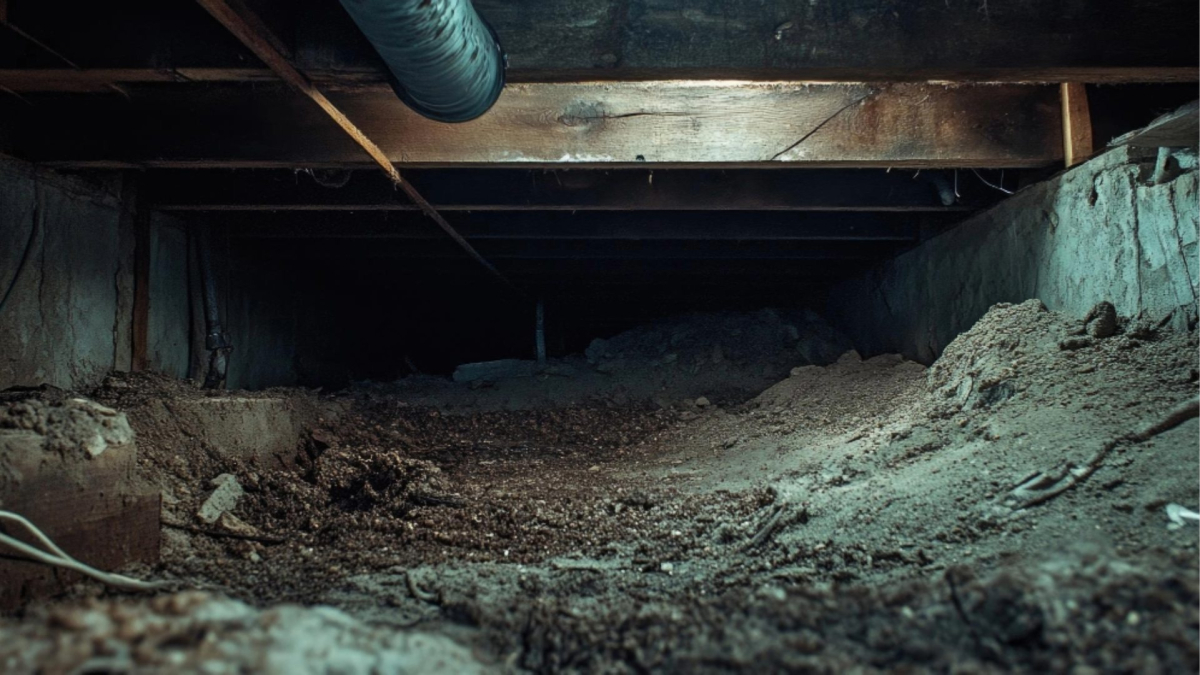
Raleigh has more housing per square mile than almost anywhere else in Central NC, and a significant portion of that housing sits on a crawl space foundation. From the historic bungalows of Five Points and Oakwood to the newer suburban builds pushing outward along the 540 corridor, crawl space homes are everywhere in this city. So is crawl space moisture.
North Carolina's humid climate means that crawl spaces in Raleigh work against you by default. Without active moisture control, the combination of ground vapor, warm outdoor air, and clay-heavy Wake County soils creates conditions that damage your home quietly over time. Crawl space encapsulation is the most comprehensive solution available, and for Raleigh homeowners with persistent moisture problems, it is often the one that finally resolves what lesser measures could not.
Neuse Termite and Pest Control provides full crawl space encapsulation services throughout Raleigh, backed by a 5-star rating from over 2,000 customers and more than 320 years of combined experience in moisture control and pest management across Central NC.
What Crawl Space Encapsulation Actually Does
Encapsulation seals your crawl space from the outside environment as completely as possible. Rather than managing moisture after it enters, a properly encapsulated crawl space prevents it from entering in the first place.
A full encapsulation system typically includes:
- Heavy-duty vapor barrier: A thick, reinforced plastic liner covers the entire crawl space floor and extends up the walls and piers, blocking ground moisture from rising into the space.
- Sealed crawl space vents: Traditional vents were designed to allow airflow but in NC's climate they introduce more humidity than they remove during summer months. Encapsulation seals them.
- Insulated crawl space walls: Rigid foam insulation on the interior foundation walls separates the conditioned-ish crawl space from the exterior.
- Dedicated dehumidifier: A crawl space-rated dehumidifier maintains relative humidity at safe levels continuously, typically below 50 percent.
- Drainage and sump systems (where needed): For homes with standing water or intrusion issues, a sump pump or interior drainage channel is incorporated before encapsulation is complete.
The result is a crawl space that is dry, clean, and no longer contributing to indoor air quality problems, structural moisture damage, or pest activity in your home.
Why Raleigh Homes Struggle with Crawl Space Moisture
Raleigh's geography and climate create a near-perfect environment for crawl space moisture problems.
Clay-heavy soils throughout Wake County retain moisture exceptionally well. When it rains, that water does not drain quickly. It saturates the soil and stays there, creating persistent ground vapor that rises continuously into unprotected crawl spaces.
High ambient humidity from late spring through early fall means outdoor air entering through crawl space vents is already laden with moisture. When that air contacts the cooler surfaces inside the crawl space, it condenses, adding to the humidity load rather than reducing it.
Topographical variation across Raleigh neighborhoods creates drainage patterns that direct water toward foundations in lower-lying areas. Homes in neighborhoods like Boylan Heights, Cameron Village, and older parts of north Raleigh often sit on lots where seasonal drainage concentrates near the structure.
Older construction standards in many of Raleigh's established neighborhoods predate modern vapor barrier requirements. These homes frequently have minimal or no ground coverage in the crawl space, making moisture intrusion effectively unimpeded.
Signs Your Raleigh Home Needs Crawl Space Encapsulation
Many homeowners discover a crawl space moisture problem through its secondary effects rather than by looking directly at the crawl space. Common indicators include:
- A persistent musty odor on the first floor or near the floor level throughout the home
- Hardwood or laminate flooring that is buckling, cupping, or warping without an obvious cause
- Floors that feel soft, spongy, or squeakier than they used to
- Elevated indoor humidity even during dry periods
- Worsening allergy symptoms or unexplained respiratory irritation
- Higher energy bills without a clear explanation
- Visible mold or mildew on lower walls, baseboards, or floor trim
If you are experiencing more than one of these, a professional crawl space inspection is the right first step. Read more about how crawl space moisture affects indoor air quality and pest pressure.
The Connection Between Crawl Space Moisture and Pest Problems
Moisture and pest pressure are closely linked, and the crawl space is where that relationship plays out most directly in Raleigh homes.
Subterranean termites depend on consistent soil moisture to survive. Moist, softening wood in a crawl space is one of the primary attractants for termite colonies expanding from adjacent soil. Homeowners who resolve their crawl space moisture problems frequently find that their pest pressure decreases alongside it, because they have removed one of the key conditions that draws activity toward the structure.
Beyond termites, damp crawl spaces attract wood-destroying beetles, springtails, centipedes, and rodents seeking a sheltered, humid environment. Encapsulation removes that attraction. For Raleigh homeowners dealing with both moisture and pest concerns, Neuse can address both under a single service relationship.
Explore our residential pest control services and termite treatment options to understand how crawl space encapsulation fits into a complete home protection plan.
What to Expect From the Encapsulation Process
Inspection First
Every encapsulation project begins with a professional assessment of your crawl space. Your technician evaluates the source and severity of moisture, checks for existing structural damage, identifies pest activity or conditions conducive to it, and determines which components your specific crawl space requires. No two crawl spaces are identical, and the solution should reflect the actual conditions.
Preparation and Remediation
If mold, fungal growth, or wood deterioration is present, that is addressed before any encapsulation materials are installed. Neuse uses Benefect, a hospital-grade disinfectant, to treat affected surfaces. Wood that has deteriorated beyond safe structural limits may require repair before the crawl space is sealed.
Installation
Encapsulation materials are installed from the ground up: vapor barrier first, then wall liner, then vent sealing and insulation, then mechanical components including the dehumidifier and any drainage systems required. The finished crawl space is clean, dry, and actively managed.
Ongoing Maintenance
A properly encapsulated crawl space requires periodic inspection of the barrier for tears or gaps and routine maintenance of the dehumidifier. Neuse is available for annual crawl space inspections to confirm your encapsulation system is performing as intended.
Frequently Asked Questions About Crawl Space Encapsulation in Raleigh
How is encapsulation different from just installing a vapor barrier?
A vapor barrier alone covers the ground and blocks soil moisture from rising. Encapsulation goes further by also sealing the crawl space vents, insulating the walls, and adding active humidity control through a dehumidifier. The result is a fully managed environment rather than partial moisture reduction. For homes with significant humidity problems, a vapor barrier alone is rarely sufficient.
How long does crawl space encapsulation last?
A properly installed encapsulation system can last 20 years or more with routine inspection and maintenance. The vapor barrier materials used in professional installations are far more durable than standard plastic sheeting, and the mechanical components like dehumidifiers have manageable service lifespans. Annual inspections catch any issues early.
Will encapsulation help with my energy bills?
Often, yes. A damp, unmanaged crawl space forces your HVAC system to work harder to maintain comfortable indoor humidity levels. Sealing and conditioning the crawl space reduces that load. Many Raleigh homeowners see measurable improvement in heating and cooling efficiency after encapsulation.
Can I get encapsulation done alongside termite treatment?
Yes, and addressing both at the same time is frequently the most practical approach. Resolving moisture conditions before or alongside termite treatment removes one of the primary conditions that attracts and supports termite activity. Neuse can assess both concerns in a single inspection visit. Contact us to discuss a combined service plan.
How do I know if I need encapsulation or just a dehumidifier?
This depends on the source and severity of the moisture. A standalone dehumidifier manages humidity but does not block ground moisture or outside air. If your crawl space has soil vapor, condensation from outdoor air, or drainage issues, a dehumidifier alone will run continuously without resolving the underlying source. An inspection identifies exactly what is driving your moisture problem and which solution actually fits. See our dehumidification services for more on what a crawl space dehumidifier does and when it is the right solution.
Schedule Crawl Space Encapsulation in Raleigh, NC
A dry, sealed crawl space is one of the highest-impact improvements a Raleigh homeowner can make for long-term structural health, indoor air quality, and pest resistance. Contact Neuse today to schedule your crawl space inspection and find out what your home actually needs.

