Mebane's rapid growth along the I-40 corridor has brought thousands of new homeowners to Alamance and Orange counties over the past decade. Many of them purchased newly constructed homes and assumed, reasonably enough, that new construction means dry, problem-free crawl spaces. In this part of North Carolina's piedmont, that assumption frequently turns out to be incorrect. Clay-heavy soils, unsettled post-construction drainage, and crawl space vents that admit more humidity than they remove create moisture conditions in newer homes that develop faster than most homeowners expect.
Neuse Termite and Pest Control serves Mebane from our Burlington location at 3671 Alamance Rd, providing professional crawl space encapsulation backed by the expertise of a team with more than 320 years of combined experience in moisture control and pest management across Central NC.
Why Mebane Crawl Spaces Develop Moisture Problems
Mebane's position at the Alamance and Orange county line places it squarely in the piedmont clay zone that extends across much of Central NC. The moisture dynamics here are consistent and well-understood.
New Construction and Drainage Changes
Building a home on a Mebane lot means clearing, grading, and reshaping the land. Original topsoil that managed water naturally is often removed, and subsoil is compacted and regraded in ways that take years to settle into predictable drainage patterns. In the interim, water frequently finds paths toward the foundation that the original site did not have.
Crawl space framing in new construction is also exposed to outdoor conditions during the build process, sometimes for weeks. Lumber that absorbs rain and ground moisture during framing may retain elevated wood moisture content even after the home is closed in, particularly if the crawl space is not actively managed during and after construction.
Foundation Vents and NC Humidity
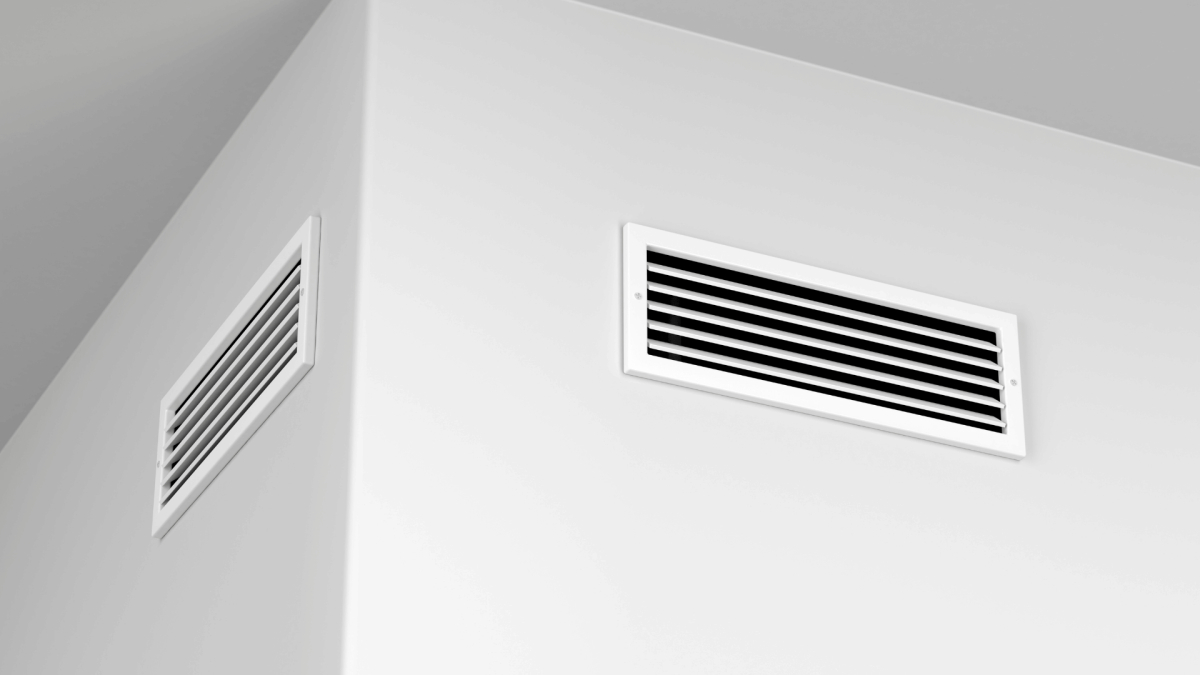
Most homes in Mebane, including newer construction, are built with traditional foundation vents. These vents are designed to promote airflow, but in North Carolina's humid climate they tend to create a problem rather than solve one. During summer months, warm outdoor air with relative humidity regularly above 70 percent enters the crawl space and condenses on the cooler interior surfaces. The crawl space accumulates moisture from the vents rather than drying out through them.
Full encapsulation seals those vents and replaces passive airflow with active, mechanical humidity control.
Older Mebane Properties
The older residential neighborhoods in Mebane's town core face a different but equally real set of moisture challenges: minimal vapor barrier coverage, older wood framing that has been subject to moisture cycles for decades, and mature landscaping that has gradually altered drainage patterns around the foundation. These homes may have had moisture conditions developing quietly for years.
What Full Crawl Space Encapsulation Includes
Heavy-Duty Vapor Barrier
A reinforced liner covers the full crawl space floor and extends up the foundation walls and over all piers, blocking ground vapor from rising into the space.
Termite-Resistant Insulation Board
Rigid insulation board is installed on the walls on top of the vapor barrier, providing thermal separation using materials that do not attract or support termites.
Sealed Foundation Vents
All existing foundation vents to the outside are sealed, eliminating the primary pathway for humid outdoor air.
Required Dehumidifier
Sealing the vents creates a closed crawl space, and building code requires a mechanical source of circulating air in that condition. A crawl space-rated dehumidifier fulfills that requirement and is a required component of full encapsulation, not an option. It actively maintains humidity at safe levels year-round. Learn more about Neuse's crawl space dehumidification services.
Drainage Solutions Where Needed
For Mebane homes with standing water or active drainage intrusion, a sump pump or interior drainage channel is incorporated before the vapor barrier is installed.
Benefect Disinfectant Application
Where mold or fungal growth has already developed, Neuse applies Benefect, a hospital-grade disinfectant, to crawl space surfaces before encapsulation materials are installed. The sealed space starts clean.
Moisture, Pests, and New Construction in Mebane
Mebane's construction activity has displaced existing soil termite colonies throughout the corridor. Disturbed soil, fresh wood framing, and damp crawl spaces give those displaced colonies clear reasons to investigate new structures. Moisture and termite risk are directly connected, and addressing crawl space moisture reduces the conditions that attract termite activity toward your foundation.
Neuse offers termite treatment services for Mebane homeowners who want to address both concerns through one provider.
Signs Your Mebane Home May Need Attention
Watch for these indicators that crawl space moisture is affecting your home:
- Musty or earthy odors on the first floor, especially near the floor level
- Flooring that is buckling, warping, cupping, or feels soft underfoot
- Indoor humidity that stays elevated during dry weather
- Visible condensation on windows during warm months
- Worsening allergy or respiratory symptoms without another clear explanation
- Energy bills higher than expected for your home's size
- Visible moisture, mold, or deteriorated wood visible through the crawl space access
Frequently Asked Questions About Crawl Space Encapsulation in Mebane
Can I get just a dehumidifier instead of full encapsulation?
Yes, and it is sometimes the right starting point. A crawl space dehumidifier actively pulls moisture out of wood that has already absorbed it, doing work that vapor barriers and sealed vents alone cannot. Some Mebane homes, particularly newer builds with moderate humidity issues and no ground water problems, benefit from a standalone dehumidifier without full encapsulation. Others need both. The inspection identifies which approach your specific home actually requires. See our dehumidification page for more on that determination.
My home is only a few years old. Do I really need this?
Potentially, yes. New construction crawl spaces are often the most at-risk in the first few years after completion. Drainage is still settling, construction lumber may carry residual moisture, and crawl space vents that seemed adequate on the final walkthrough are introducing humid summer air all season. A professional inspection within the first two to three years of ownership is the most reliable way to know what your specific home's crawl space looks like.
Is the dehumidifier required with full encapsulation?
Yes. When foundation vents are sealed, building code requires a mechanical source of circulating air. A crawl space-rated dehumidifier fulfills that requirement. Any complete encapsulation proposal should include it as a built-in component.
How does this protect against pests?
Moist, softening wood is a primary attractant for subterranean termites and wood-destroying insects. A dry, encapsulated crawl space removes that attractant and is one of the most effective structural pest prevention measures available. Neuse can address moisture control and termite protection through a single service relationship for Mebane homeowners.
How long does installation take?
Most Mebane crawl spaces are encapsulated in one to two days depending on size and conditions. Your inspection will include a specific timeline before any commitment is made. Contact us to schedule.
Schedule Crawl Space Encapsulation in Mebane, NC
Whether your Mebane home is a new build along the I-40 corridor or an older property in the town core, Neuse is ready to assess what your crawl space actually needs. Contact us today to schedule your inspection from our Burlington location.

