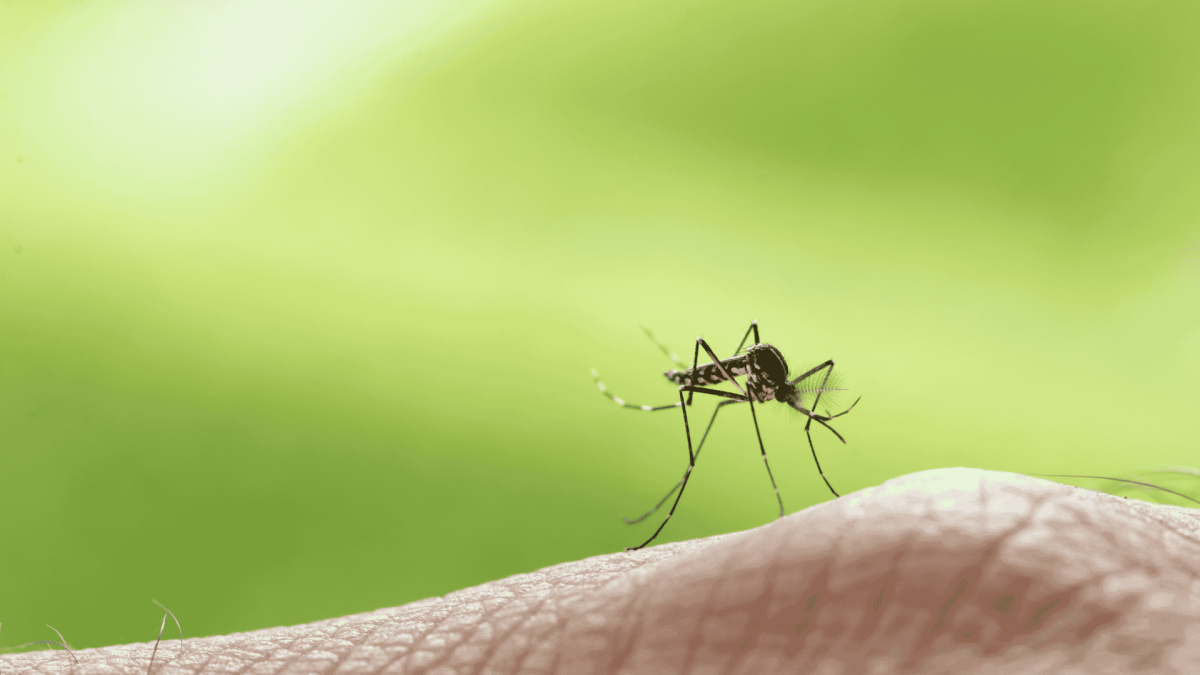
Spring in North Carolina has a way of arriving all at once. One week the dogwoods are blooming, and the next you're swatting at something on your back porch before you've even had your morning coffee. Mosquitoes don't announce themselves, but they do follow a predictable pattern, and knowing that pattern gives you a real advantage.
For homeowners across Central NC, mosquito season is rarely more than a few weeks away. The difference between a manageable yard and a miserable one often comes down to how early you prepare.
Quick Summary:
- Mosquito season in North Carolina typically begins in April and peaks between June and August
- NC's warm, humid climate supports several aggressive species that breed quickly and bite throughout the day
- Eliminating standing water before mid-April is the single most impactful thing you can do at home
- Professional mosquito treatments timed to the 21-day life cycle are the most effective way to control populations throughout the season
- Existing pest control customers can often add mosquito service to their current plan without switching providers
When Does Mosquito Season Start in North Carolina?
In most of North Carolina, mosquito activity picks up noticeably in April as temperatures consistently climb above 50°F. By May, populations are growing quickly, and by June, you are in full peak season. Activity remains high through July and August, then gradually tapers as fall temperatures arrive in September and October.
North Carolina's climate is particularly accommodating to mosquitoes. The combination of warm springs, high summer humidity, and frequent rainfall creates near-ideal breeding conditions across the Piedmont and beyond. Compared to northern states where mosquito season may run 90 days or fewer, NC homeowners are often dealing with active populations for five to six months.
Understanding the mosquito life cycle helps explain why timing matters so much. From egg to adult, a mosquito completes its development in approximately 21 days. That means a single warm, wet week in April can produce a new wave of adults before the previous generation has even died off, which is why getting ahead of the season is so much more effective than reacting to it.
Why North Carolina Mosquitoes Are a Particular Problem
Not all mosquitoes behave the same way, and Central NC is home to several species that make outdoor living genuinely difficult.
The Asian tiger mosquito (Aedes albopictus) is one of the most aggressive biters in the region. Unlike most mosquitoes that are active only at dawn and dusk, the Asian tiger mosquito bites throughout the day, targeting people in their own yards and on their porches. It also breeds in surprisingly small amounts of standing water. A bottle cap holds enough for a clutch of eggs.
The southern house mosquito (Culex quinquefasciatus) is the primary nighttime nuisance across the Southeast and is the species most associated with West Nile virus transmission in North Carolina. It prefers stagnant, organically rich water: clogged gutters, ditches, and neglected birdbaths are its preferred breeding grounds.
Beyond the nuisance factor, mosquitoes in NC carry real health risks. West Nile virus is a recurring presence in the state, with serious neurological cases documented in some years. Eastern Equine Encephalitis (EEE), while rarer, is one of the most severe mosquito-borne illnesses in North America and has been confirmed in North Carolina. Professional mosquito control is about more than comfort. It is about protecting your household.
What You Can Do Before the Season Starts
The most effective mosquito prevention starts before you see your first bite. Targeted action in late March or early April can significantly reduce the mosquito population in your yard before it has a chance to establish.
Eliminate Standing Water
This is the single most impactful thing a homeowner can do. Even small amounts of standing water become breeding sites within days of being left undisturbed.
- Empty and scrub birdbaths at least once a week
- Dump water from flower pot saucers, buckets, tarps, and toys after every rain
- Check for low spots in the yard where water pools and drains slowly
- Make sure gutters are clear and draining properly; clogged gutters are among the most productive mosquito breeding sites around a home
- Turn over or store any containers, wheelbarrows, or equipment that could collect water
Reduce Resting Habitat
Mosquitoes rest in dense, shaded vegetation during the heat of the day. They are not flying constantly; they are hiding in shrubs, ground cover, and tall grass, waiting for conditions to cool.
Trimming back overgrown shrubs, cutting grass regularly, and clearing dense plantings close to gathering areas like patios and decks reduces the places mosquitoes have to shelter. This is particularly true along fence lines and the edges of wooded areas, where shade and humidity tend to concentrate.
Act Early if Possible
Waiting until you are already being bitten means populations have had weeks to multiply. The homeowners who have the best results with mosquito control are the ones who treat their yard as a prevention project in spring, not a reaction project in summer.
What Professional Mosquito Treatment Looks Like
Neuse's mosquito control service targets mosquitoes at multiple stages and locations across your property. Treatments focus on the areas mosquitoes use most: foliage, shrubs, dense ground cover, and shaded resting spots. A technician walks the property on each visit, treats the targeted areas, and flags conditions that may be contributing to mosquito pressure, such as drainage issues or hidden water collection spots.
Service typically begins in the spring and runs on a scheduled cycle through the end of the active season in October. Customers know when to expect their technician and what to do to prepare before each visit.
How Often Should You Treat for Mosquitoes?
This is one of the most common questions homeowners ask, and the answer comes directly from biology.
A mosquito completes its full life cycle in approximately 21 days.
That means if a treatment eliminates active adults and disrupts current breeding activity, a new generation can emerge from untreated eggs within three weeks. Monthly treatments, while better than no treatment, leave a gap that allows populations to rebound fully between services.
Follow a treatment that is tailored to the 21-day cycle.
Neuse moved to a 21-day treatment cycle for the 2026 season, aligning service intervals directly with the mosquito's reproductive timeline. This approach is now the standard among the leading mosquito control companies nationally; it keeps continuous pressure on the population rather than allowing a mid-cycle recovery. The practical result is fewer callbacks, fewer windows where populations surge, and a more consistently protected yard across the full season.
If you are comparing mosquito control providers, the treatment interval is a meaningful question to ask. The difference between a monthly schedule and a 21-day schedule is not just a few days; it is whether the treatment stays ahead of the biology.
When Should You Schedule Service?
The best time to schedule is before you need it. By the time mosquitoes are disruptive, populations are already well-established and take more effort to bring under control.
For Central NC homeowners, scheduling service in March or early April gives the first treatments time to take effect right as activity begins climbing in mid-spring. This is particularly true for properties near wooded areas, standing water, or with heavy shaded vegetation, where mosquito pressure tends to build faster.
If you are already a Neuse pest control customer, you may not realize that mosquito control can be added to your existing service plan. A number of homeowners use a separate company for mosquitoes simply because they did not know their pest control provider offered it. Consolidating both services means better coordination, a single point of contact, and a provider who already knows your property.
Contact us to ask about adding mosquito service or to get your first treatment scheduled before peak season arrives.
Frequently Asked Questions About Mosquito Season in NC
When is mosquito season in North Carolina?
Mosquito season in North Carolina typically runs from April through October. Activity peaks in June, July, and August when heat and humidity are highest. In mild years, some activity can begin as early as mid-March. If you are thinking about scheduling preventive treatment, early spring is the right time to act.
How often should I treat for mosquitoes?
The most effective schedule follows the mosquito's own life cycle. Since it takes approximately 21 days for a mosquito to develop from egg to adult, treatments spaced at that interval keep consistent pressure on the population without allowing a full generational recovery. Monthly treatments create a gap that mosquitoes can fill. Neuse's 2026 treatment cycle is built around the 21-day window.
Does rain affect my mosquito treatment?
Rain can dilute or wash away a fresh application if it falls shortly after service. Most professional treatments need a few hours to dry and bond to surfaces before they can hold up to rainfall. Your technician can advise on timing concerns or rescheduling if a treatment is disrupted by heavy rain.
Are mosquito treatments safe for my family and pets?
Neuse's mosquito treatments are applied by licensed professionals following all label requirements and safety protocols. As a standard precaution, it is a good idea to keep people and pets away from treated areas until the application has fully dried, which typically takes around 30 to 60 minutes depending on conditions.
Can I add mosquito control to my existing pest plan?
Yes, and for existing Neuse customers, this is often the most straightforward approach. Mosquito treatment can be added to an active pest control plan, which means your technician already knows your property and treatments can be coordinated efficiently. Reach out to us to talk through your options.
What makes some yards worse than others for mosquitoes?
Properties near wooded areas, drainage ditches, ponds, or any kind of standing water tend to have significantly higher mosquito pressure. Homes with dense ornamental plantings, shaded patios, or poor drainage also tend to see more activity. These properties benefit the most from early, consistent treatment.
Take Back Your Yard Before Summer Hits
Mosquito season in North Carolina is long, predictable, and, with the right preparation, manageable. The homeowners who enjoy their outdoor spaces all summer are the ones who got ahead of it in the spring.
Whether you are starting fresh with professional service or adding mosquito control to an existing plan, Neuse Termite and Pest Control is ready to help before peak season hits. Contact us today to schedule service across Central NC.

