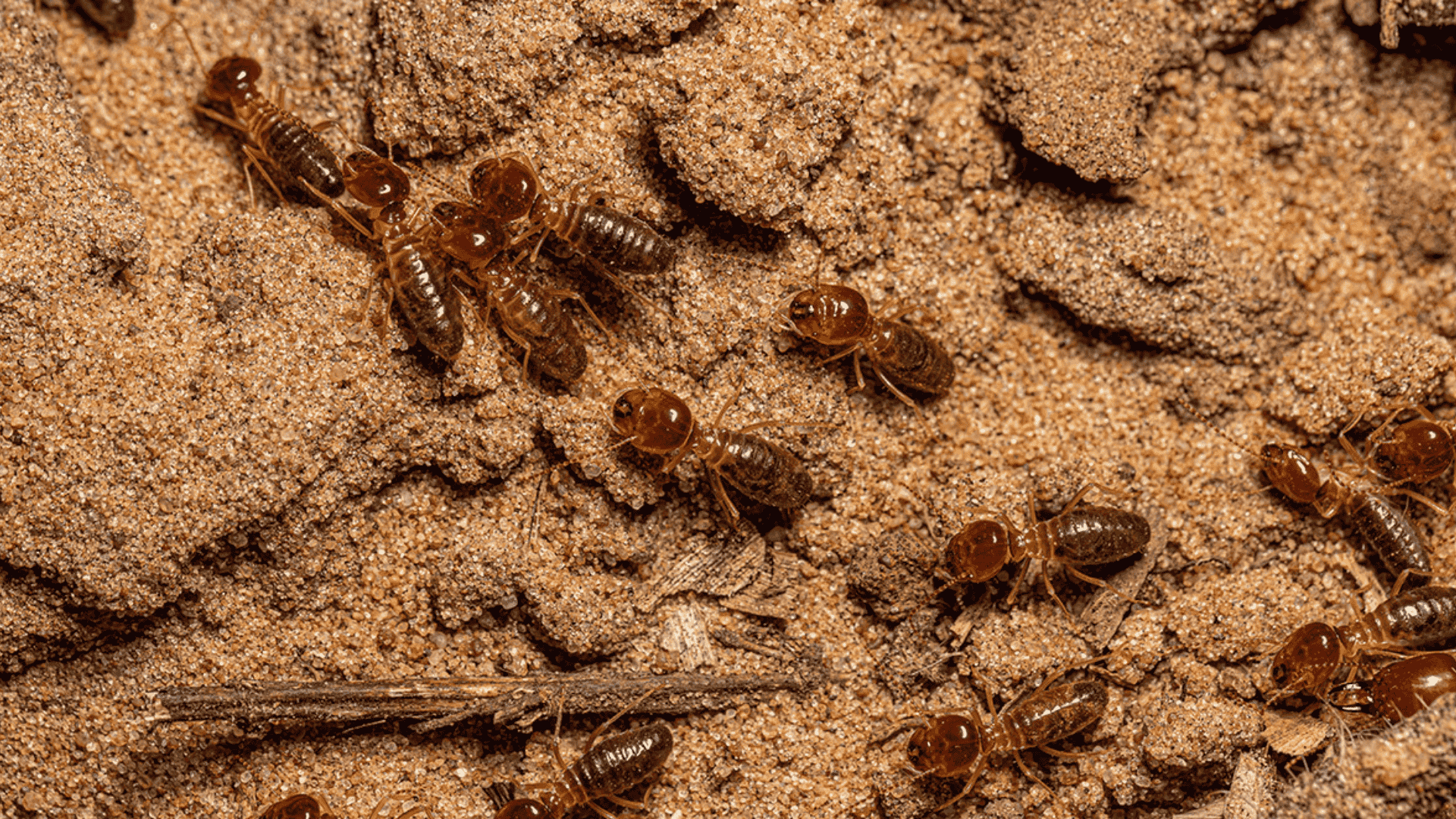
As spring arrives across North Carolina's Triangle region, something is stirring beneath the surface of your property. Termite colonies that have been quietly feeding all winter are preparing for one of the most critical events in their lifecycle: swarming season. For homeowners in Raleigh, Clayton, Durham, Cary, and surrounding communities, early spring pest control is one of the most important steps you can take to protect your home.
Every year, termites cause an estimated $5 billion in property damage across the United States, and most standard homeowners insurance policies specifically exclude termite damage from coverage. That means the financial burden of an infestation falls squarely on the homeowner. The good news? With the right approach to termite swarm prevention and a proactive mindset, you can stay ahead of the threat before it ever reaches your doorstep.
What Is Termite Swarm Season?
Termite swarming is a natural part of the termite reproductive cycle. When a colony matures it produces winged termites known as swarmers, or alates. These swarmers leave the established colony in large groups, typically on warm days following a rain, to mate and establish new colonies.
In central North Carolina, termite swarm season generally begins in early spring, often between March and May, though warm spells in late February can trigger early activity. Subterranean termites, the primary species found throughout the Triangle area, are the most common swarmers homeowners will encounter. They tunnel through the soil and construct air-tight mud tubes up foundation walls until they reach the wood subflooring of your home.
Seeing swarmers around your property doesn't always mean your home is infested, but it does mean that a mature colony is nearby and actively looking to expand.
Early Spring Pest Control
Waiting until you spot visible signs of termite damage is one of the most costly mistakes a homeowner can make. Termites work slowly but continuously, and by the time visible damage appears, the colony has likely been active for years. Early spring pest control allows you to get ahead of this cycle rather than react to it.
Here's why timing is everything when it comes to preventative pest control:
- Colonies are mobilizing. As soil temperatures warm, termite activity increases significantly. Colonies that were less active during the colder months begin foraging more aggressively and sending out swarmers to establish new colonies.
- Moisture levels rise. Spring rain and snowmelt increase soil moisture around your home's foundation, creating the damp conditions subterranean termites need to thrive. This is also why moisture remediation plays such an important role in long-term termite prevention.
- Damage compounds over time. Every week that passes without treatment gives an active colony more opportunity to compromise the structural integrity of your home. Prevention is always more affordable than repair.
- Other pests are waking up too. Termites aren't the only pests that become more active in spring. Ants, cockroaches, spiders, and other insects begin emerging as well, making early spring the ideal time to establish a comprehensive pest control plan.
The Value of a Pre-Season Termite Inspection
A pre-season termite inspection is one of the most proactive steps a homeowner can take. Think of it as a wellness check for your home. A trained eye can catch the subtle signs of termite activity that most homeowners would never notice on their own.
During a professional termite inspection, a licensed technician will examine your property for several key indicators:
- Mud tubes on foundation walls. Subterranean termites build these pencil-width tubes as protected pathways from the soil to your home's wood structures. They can appear on interior and exterior foundation walls, in crawl spaces, and around plumbing penetrations.
- Wood damage. Technicians probe accessible wood structures for signs of hollowing, softness, or blistering paint that could indicate termite feeding beneath the surface.
- Moisture conditions. Because termites depend on moisture for survival, a thorough inspection includes assessing moisture levels in your crawl space and around your foundation. Excess moisture is one of the most significant risk factors for a termite infestation.
- Conducive conditions. This includes wood-to-soil contact, improper drainage, clogged gutters, stacked firewood near the home, and mulch placed too close to the foundation.
- Evidence of previous infestations. Even if termites aren't currently active, signs of past activity can help technicians determine how to best protect your home going forward.
At Neuse Termite and Pest Control, our trained termite control specialists bring over 320 years of combined experience to every inspection.
How Liquid Termite Treatment Protects Your Home
Not all termite treatments are created equal, and understanding the difference can save you thousands of dollars and years of frustration. Neuse Termite and Pest Control exclusively uses liquid termite treatments for our guaranteed services, and there's a clear reason for this approach.
Liquid treatment works by creating a continuous chemical barrier in the soil around your home's foundation. When applied by a trained technician using industry-leading products like Termidor termiticide, this barrier does two things: it prevents termites from reaching your home, and it eliminates termites that come into contact with the treated zone. Because termites are social insects, the transfer effect of modern termiticides means that individual termites carry the product back to the colony, increasing the overall effectiveness of the treatment.
Many companies offer bait systems as their primary termite treatment. While bait stations have a role in monitoring, they have notable limitations as a standalone defense. Bait systems are often less expensive for the pest control company to install, but that cost savings is rarely passed down to the customer. More importantly, when termites are eventually detected through a bait system, the first course of action is almost always a liquid treatment. Neuse skips that interim step and provides the most effective solution from the start.
This commitment to liquid treatment using Termidor is why we can confidently stand behind our $1,000,000 termite damage repair guarantee, one of the strongest warranties in the industry. Most homes qualify for this coverage, which includes retreatment at no additional cost if termites return and repair coverage for new termite damage that occurs after our treatment.
Steps You Can Take Now for Preventative Pest Control
While professional treatment and inspections are the cornerstone of effective termite swarm prevention, there are several steps you can take around your property this spring to reduce your risk. These actions won't replace professional service, but they do create a less inviting environment for termites and other pests.
- Reduce wood-to-soil contact. Ensure that siding, door frames, and other wooden elements of your home don't make direct contact with the ground. Even a small gap can make a significant difference.
- Manage moisture around your foundation. Make sure your gutters are clean and directing water away from your home. Downspouts should extend several feet from the foundation. Address any grading issues that cause water to pool near your home.
- Move firewood and debris away from the house. Stacked firewood, lumber, and other cellulose materials stored against or near your home are a direct invitation for termites. Keep these items at least 20 feet from your foundation.
- Maintain your crawl space. Excess moisture in your crawl space is one of the top risk factors for termite activity. If you notice standing water, condensation on ductwork, or musty odors, it may be time to explore moisture remediation solutions such as dehumidifiers, vapor barriers, or crawl space encapsulation.
- Inspect your property regularly. Walk around your home's exterior and look for mud tubes on your foundation, bubbling or peeling paint, or soft spots in wood structures. In your crawl space, look for sagging insulation or visible damage to floor joists.
- Trim vegetation away from your home. Overgrown shrubs and tree branches that touch your home can create moisture traps and provide a bridge for pests to access your roof and walls.
- Schedule your annual termite inspection. If you already have a termite warranty or treatment plan in place, make sure your annual inspection is current. Missing an annual inspection can void your warranty coverage and leave you unprotected.
Read our blog about wood-destroying insect reports, what home buyers and sellers need to know.
Why Triangle Homeowners Trust Neuse Termite and Pest Control
Neuse Termite and Pest Control is a locally owned and operated company with over 320 years of combined exterminator experience. We understand the specific pest pressures that homeowners face across the Triangle because we live and work here too. Our service area covers Wake, Johnston, Durham, Orange, Harnett, Lee, and many other counties across central North Carolina.
We offer personalized service with the option to request the same technician for every visit, ensuring continuity and familiarity with your property. We use top-rated, industrial-grade products, and we never cut corners by offering less effective treatments just because they're more profitable.
Whether you need a pre-season termite inspection, a full liquid termite treatment with our $1,000,000 guarantee, or a quarterly pest control plan to keep your home protected year-round, our team is ready to help.
Read our blog about why year round termite inspections are a good idea.
Frequently Asked Questions
When does termite swarm season start in North Carolina?
In central North Carolina, termite swarming typically begins in early spring, often between March and May. However, unusually warm weather in late February can trigger early swarms. Subterranean termites are the most common species in the Triangle area, and they tend to swarm on warm days following rainfall. Scheduling a pre-season termite inspection before this window is the best way to ensure your home is protected.
What's the difference between termite swarmers and flying ants?
Termite swarmers and flying ants can look similar at first glance, but there are key differences. Termite swarmers have straight antennae, a broad waist, and two pairs of wings that are equal in size. Flying ants have bent antennae, a pinched waist, and two pairs of wings where the front pair is larger than the back pair. If you're seeing winged insects around your home in the spring, a professional inspection can confirm exactly what you're dealing with.
How often should I have my home inspected for termites?
Annual termite inspections are recommended for all homeowners, and they are required to maintain most termite warranty and treatment plans. At Neuse Termite and Pest Control, our annual inspections serve dual purposes: they keep your warranty active and they catch any potential termite activity before it leads to significant damage.
Does homeowners insurance cover termite damage?
In most cases, no. Standard homeowners insurance policies typically exclude termite damage because it's considered preventable through proper maintenance and treatment. This is precisely why a strong termite warranty matters. Neuse's $1,000,000 termite damage repair guarantee offers substantial financial protection that fills this gap in your insurance coverage.
What makes liquid termite treatment more effective than bait systems?
Liquid termite treatment creates an immediate, continuous barrier around your home's foundation that both prevents termites from entering and eliminates termites that come into contact with the treated zone. Bait systems, by comparison, rely on termites finding and feeding on bait stations, which serves more of a monitoring function. When bait systems do detect termite activity, the recommended follow-up is typically a liquid treatment anyway. Neuse exclusively uses liquid treatment with Termidor termiticide so that your home receives the most comprehensive protection from the start.
Take Action Before Swarm Season Arrives
The window for early spring pest control is narrow, and the consequences of waiting can be significant. Termites don't announce themselves with obvious warnings. They work silently behind your walls, beneath your floors, and inside your foundation. By the time you notice the damage, you may be facing thousands of dollars in repairs that your insurance won't cover.
Don't wait for the swarmers to arrive. Reach out to the experienced team at Neuse Termite and Pest Control at (919) 553-9888 or request a free estimate online to schedule your inspection. Contact us today for a free, no-obligation estimate.

