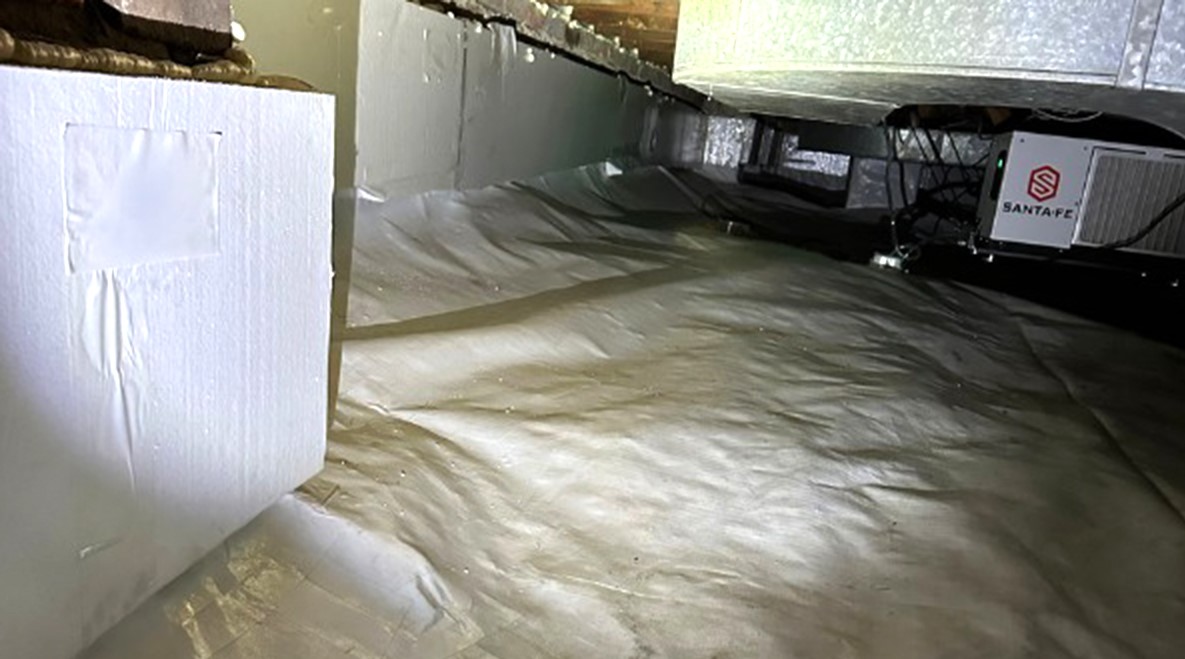
Crawl space encapsulation is one of the smartest investments a North Carolina homeowner can make, but only when it is done right. Done poorly, it can trap moisture, hide damage, and cost more to correct than it would have cost to do properly the first time. These crawl space encapsulation tips will help you tell the difference between a lasting result and an expensive mistake, whether you are planning the project yourself or hiring it out.
The outcome usually comes down to a handful of decisions. Get those right, and your crawl space stays dry, your home stays healthier, and pests lose one of their favorite ways in. Get them wrong, and you may seal problems in rather than keep them out. Here is what to do, and what to avoid.
Quick Summary
- Encapsulation works best when moisture and drainage are solved first, not sealed over.
- A dehumidifier is required by code once the foundation vents are sealed, and skipping it undermines the whole system.
- Cutting corners on the vapor barrier, ignoring existing damage, or treating the project as a casual DIY job are the most common and costly mistakes.
- Professional installation protects your home, your warranty, and your investment.
- Ongoing maintenance keeps an encapsulated crawl space performing for years.
What Crawl Space Encapsulation Actually Involves
Encapsulation seals your crawl space off from ground moisture and humid outside air. A heavy vapor barrier covers the soil 100%, the foundation vents are sealed, and the space is conditioned to stay dry. The goal is a clean, controlled environment beneath your home rather than the damp, vented space most older homes were built with.
Because the crawl space connects to the air you breathe in the rooms above and to the structural wood that holds your home up, doing this correctly matters more than it might seem. A well-executed encapsulation protects your home for years. A rushed one can quietly create the very problems it was meant to prevent.
Why These Choices Matter More in North Carolina
Our climate raises the stakes. Central North Carolina summers are long and humid, and the region's heavy clay soil holds water near the foundation rather than draining it away. A vented crawl space pulls that warm, moist air in, where it condenses on cool framing and ductwork and feeds mold, wood decay, and pests.
Encapsulation is the most effective long-term answer to that cycle, which is exactly why the details matter. In a drier climate a small mistake might go unnoticed. Here, sealed-in moisture has nowhere to go and problems compound quickly. The do's and don'ts below reflect what actually holds up in our conditions.
The Do's of Crawl Space Encapsulation
Do Address Moisture and Drainage First
Encapsulation manages humidity, but it is not a substitute for fixing active water problems. If your crawl space takes on standing water, deal with the source first through grading, gutters, a sump pump, or a french drain. Sealing a space that still floods only traps the water you were trying to keep out, so drainage comes before the barrier, not after.
Do Install a Dehumidifier When You Seal the Vents
Once the foundation vents are closed, the crawl space can no longer dry itself through air circulation. Building code requires a dehumidifier or similar conditioning system to manage humidity in the sealed space, and it is what keeps the area consistently dry year round. Far from optional, it is the piece that makes the whole system work. Our dehumidification page explains the details.
Do Use a Full Vapor Barrier and Seal Completely
A proper encapsulation uses a heavy-duty vapor barrier across the entire soil surface and up the walls, with seams overlapped and sealed and the edges secured. Partial coverage or a thin liner leaves gaps for moisture to rise through, which defeats the purpose. The barrier is the foundation of everything else, so it needs to be complete.
Do Account for Pests and Use Termite-Resistant Insulation Board
A dry crawl space is already less attractive to pests, but the materials matter too. Termite-resistant insulation board installed up the crawl space walls over the vapor barrier adds thermal protection without giving termites an easy path into the framing. If there is any sign of termite activity, address it as part of the project rather than sealing around it. You can learn more on our termite treatment page.
Do Hire a Licensed Professional
Encapsulation brings together moisture control, building code knowledge, and pest awareness. A licensed professional can spot problems you would never notice, size the dehumidifier correctly, and ensure the work meets code. The result is a system that performs as intended and protects the investment you are making in your home.
The Don'ts of Crawl Space Encapsulation
Don't Treat It as a DIY Weekend Project
This is the most common crawl space encapsulation mistake. The materials are easy to buy, so it looks like a manageable DIY crawl space job, but the margin for error is small. An improperly sealed barrier, a missing dehumidifier, or trapped moisture can create bigger problems than the ones you started with, and they often stay hidden until the damage is serious and costly.
Don't Skip the Dehumidifier
Some homeowners try to save money by sealing the vents without adding humidity control. Without a dehumidifier, a sealed crawl space has no way to shed moisture, so humidity climbs and condensation returns. This is not only ineffective, it falls short of code for a fully encapsulated space.
Don't Seal Over Existing Damage or Active Pests
Encapsulating a crawl space that already has wood rot, mold, or termite activity simply hides the problem behind plastic. Always assess and address existing conditions first. Sealing them in lets the damage continue out of sight, which is far more expensive to discover months or years later. Our moisture remediation services handle this groundwork before the space is closed up.
Don't Cut Corners With Thin or Partial Barriers
A lightweight liner, or a barrier that covers only the soil and not the walls, will not hold up. Moisture finds the gaps, the material tears, and the system fails early. The vapor barrier is the backbone of the entire project, which makes it the wrong place to economize.
Don't Forget Ongoing Maintenance
Encapsulation is durable, but it is not entirely hands-off. The dehumidifier needs occasional attention, and an annual check confirms the barrier is intact and the space is staying dry. A small amount of upkeep protects the investment and catches any issue before it grows.
What a Properly Encapsulated Crawl Space Delivers
When the do's are followed and the don'ts are avoided, the payoff is significant. A correctly encapsulated crawl space lowers indoor humidity, protects structural wood from moisture and termites, improves energy efficiency, and contributes to better air quality in the rooms above. It also tends to add value and peace of mind, because the space beneath your home is no longer working against it.
That is the real reason the details deserve attention. Encapsulation is not just plastic and tape. It is a system, and a system only performs when every part is done right.
Frequently Asked Questions
Can I encapsulate my crawl space myself?
It is possible to buy the materials, but encapsulation involves moisture control, code requirements, and pest considerations that are easy to get wrong. A single mistake can trap moisture and create costly hidden damage, which is why most homeowners are better served by a licensed professional.
Do I really need a dehumidifier?
Yes. Once the foundation vents are sealed, the crawl space cannot dry itself, so a dehumidifier is required by code to manage humidity. It is the component that keeps the sealed space dry and functioning as intended.
How long does encapsulation last?
A properly installed encapsulation system lasts for many years with minimal upkeep. The vapor barrier is durable, and routine attention to the dehumidifier plus an occasional inspection keep everything performing.
Will encapsulation get rid of pests?
It removes much of the moisture and many of the entry points pests rely on, which makes the space far less inviting. For an active infestation, it works best paired with targeted pest treatment.
What is the biggest mistake homeowners make?
Skipping steps to save money, especially treating it as a quick DIY crawl space project, leaving out the dehumidifier, or sealing over existing damage. Each of these can turn a protective upgrade into a hidden liability.
Get It Done Right the First Time
Crawl space encapsulation pays off for years when it is planned and installed correctly, and it creates expensive headaches when it is not. The do's and don'ts come down to one principle: solve the underlying problems, use the right materials, and let a professional handle the parts that are easy to get wrong.
If you are considering encapsulation for your North Carolina home, our team can evaluate your crawl space and recommend the right approach. Contact us today to schedule an inspection.

